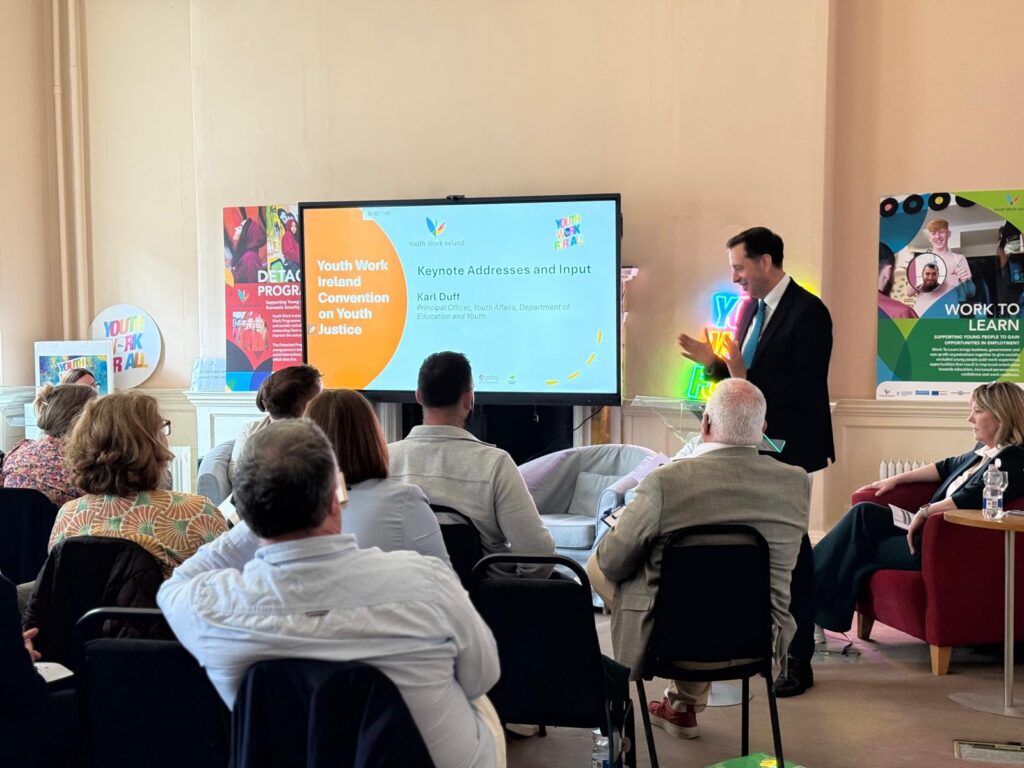
On Saturday, 13 June 2026, Youth Work Ireland hosted a Convention on Youth Justice, bringing together youth justice practitioners, youth workers, policymakers, researchers and sector leaders from across Ireland to explore the role of youth justice interventions within the Integrated Youth Services Model.
The convention heard from Geraldine Lacey, Chair of the Youth Justice National Advisory Board, who highlighted the importance of situating youth justice work within an integrated service model that places the needs of young people at its centre. This theme of collaboration, coordination and holistic support remained a constant thread throughout the day’s discussions.
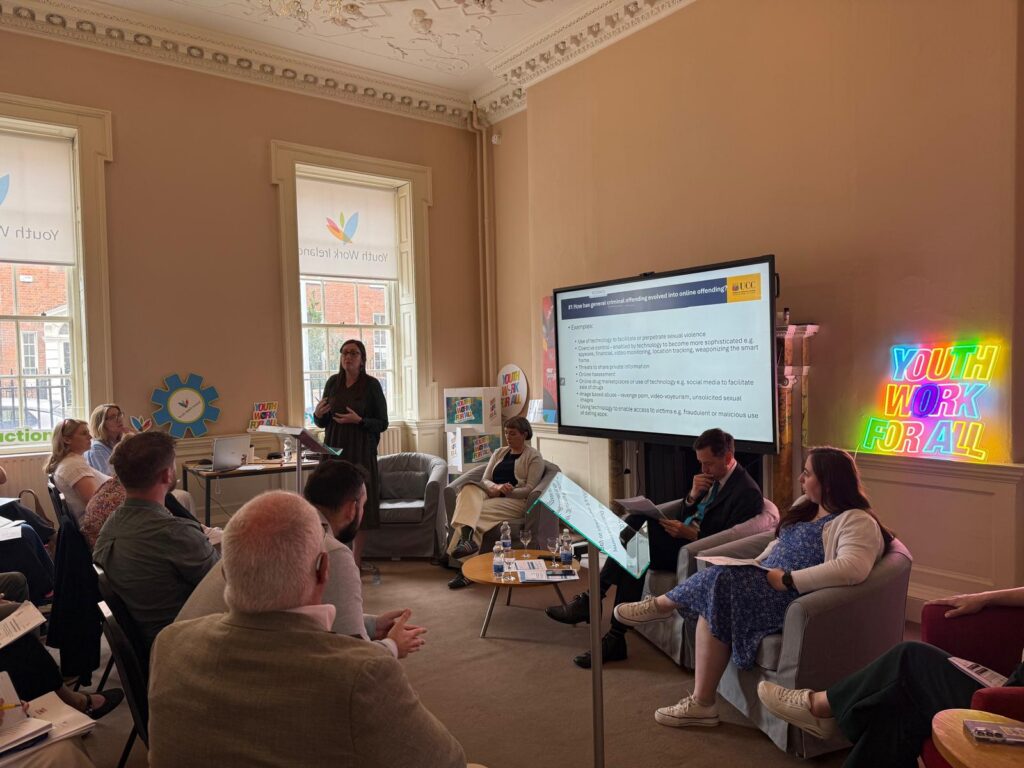
A keynote address by Professor Nessa Lynch, Matheson Professor in Law, Innovation and Technology at University College Cork, explored the relationship between technology, young people and youth justice. Professor Lynch examined changing trends in youth offending and the increasing role of digital technologies in shaping young people’s experiences. Her presentation addressed issues such as online harassment, image-based abuse, technology-facilitated sexual violence, misinformation, radicalisation and the growing digitalisation of justice systems. She emphasised the need for a human rights-based approach that protects young people’s privacy, participation and wellbeing while responding to the opportunities and risks presented by technological change.
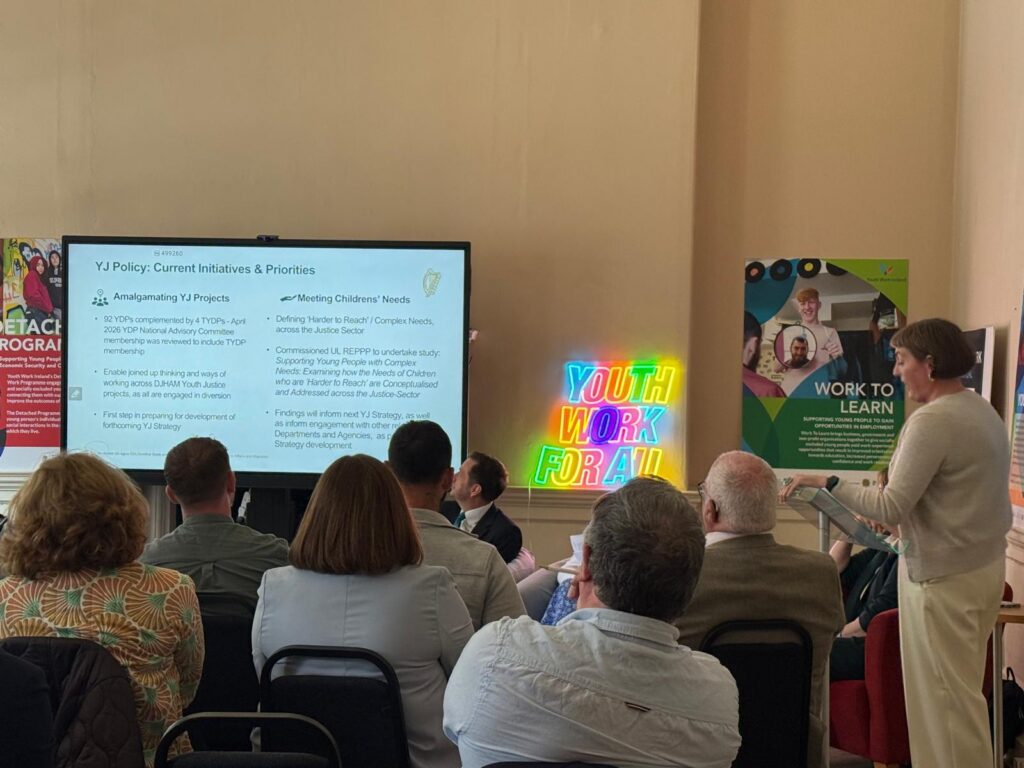
Participants also heard from Karl Duff, Principal Officer for Youth Affairs in the Department of Education and Youth, and Dr. Ciara O’Connell, Principal Officer for Youth Justice and Online Child Protection Policy in the Department of Justice, Home Affairs and Migration. Dr. O’Connell outlined recent developments in youth justice policy, including the continued expansion of Youth Diversion Projects across the country and the achievement of nationwide coverage. Her presentation highlighted the importance of evidence-informed practice, early intervention and cross-sector collaboration in shaping the next phase of youth justice policy in Ireland.
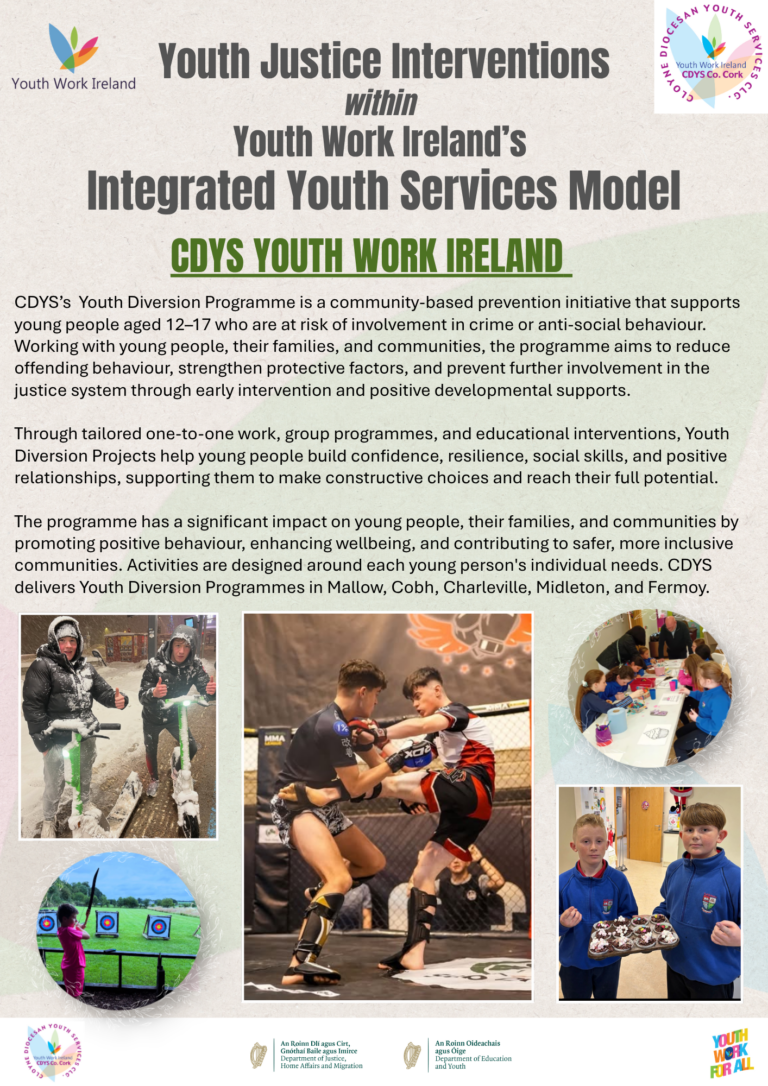
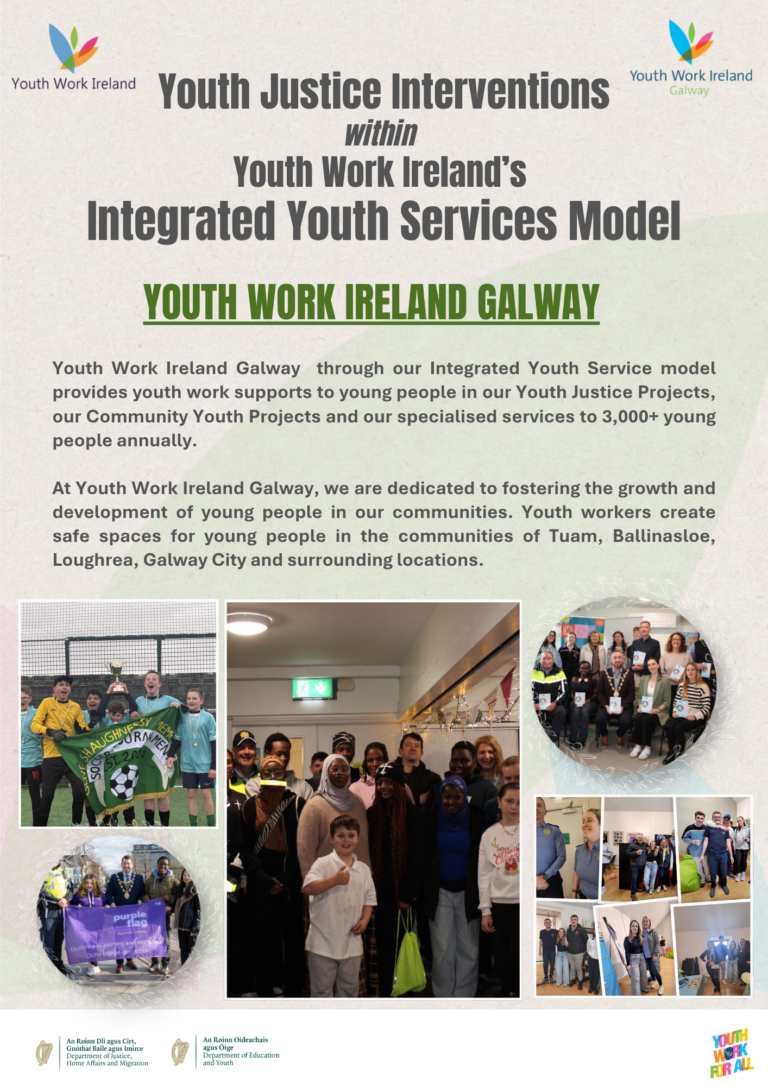
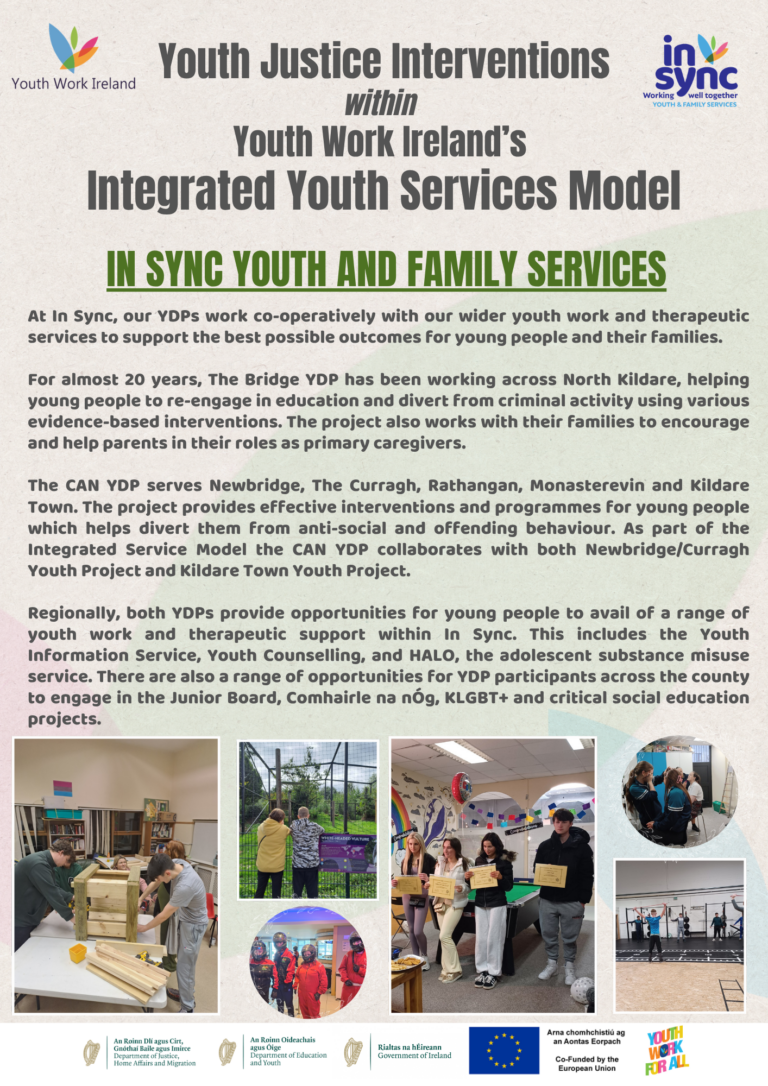
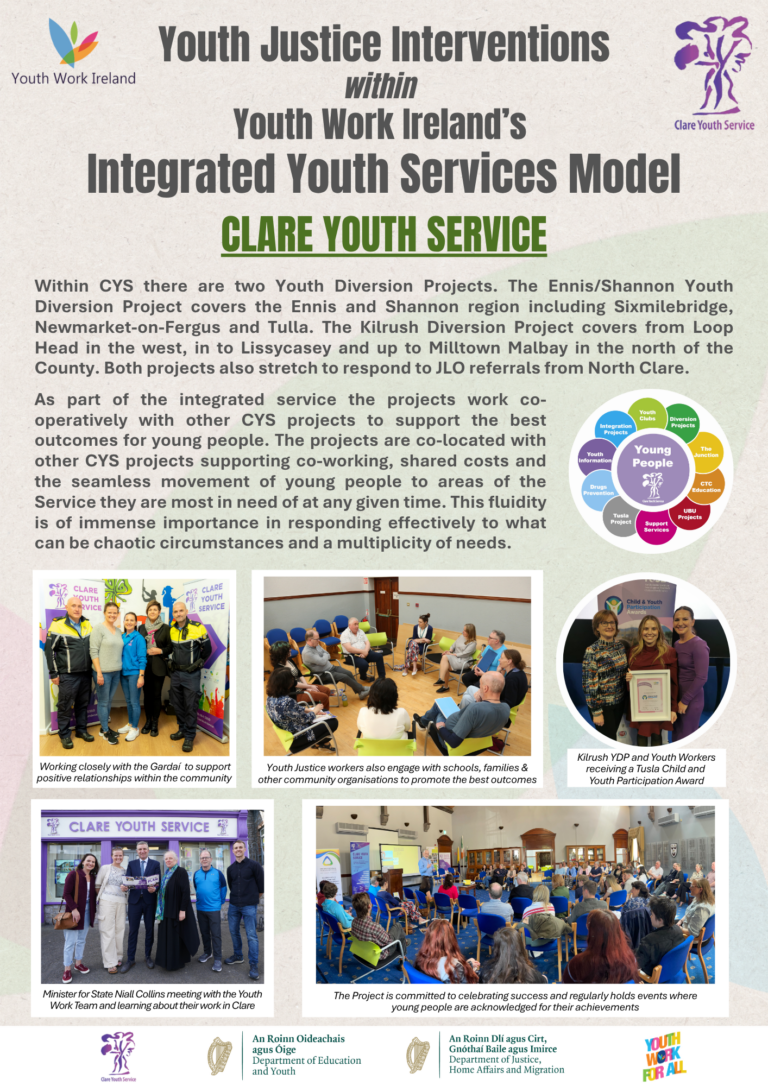
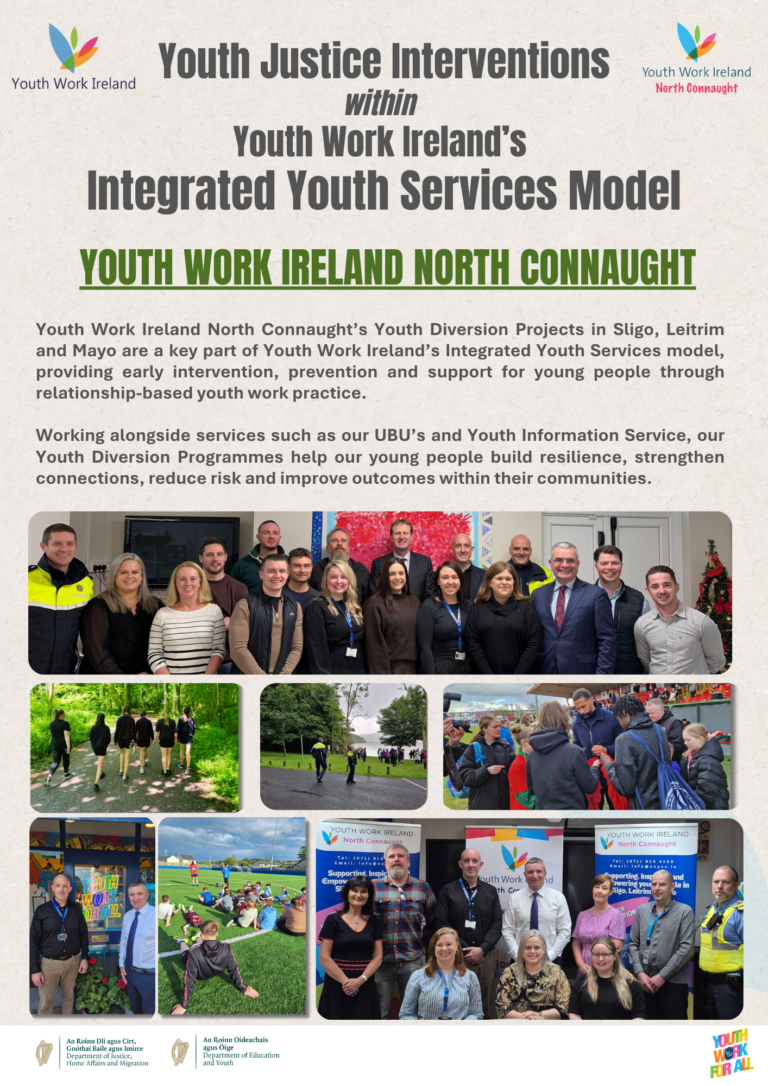
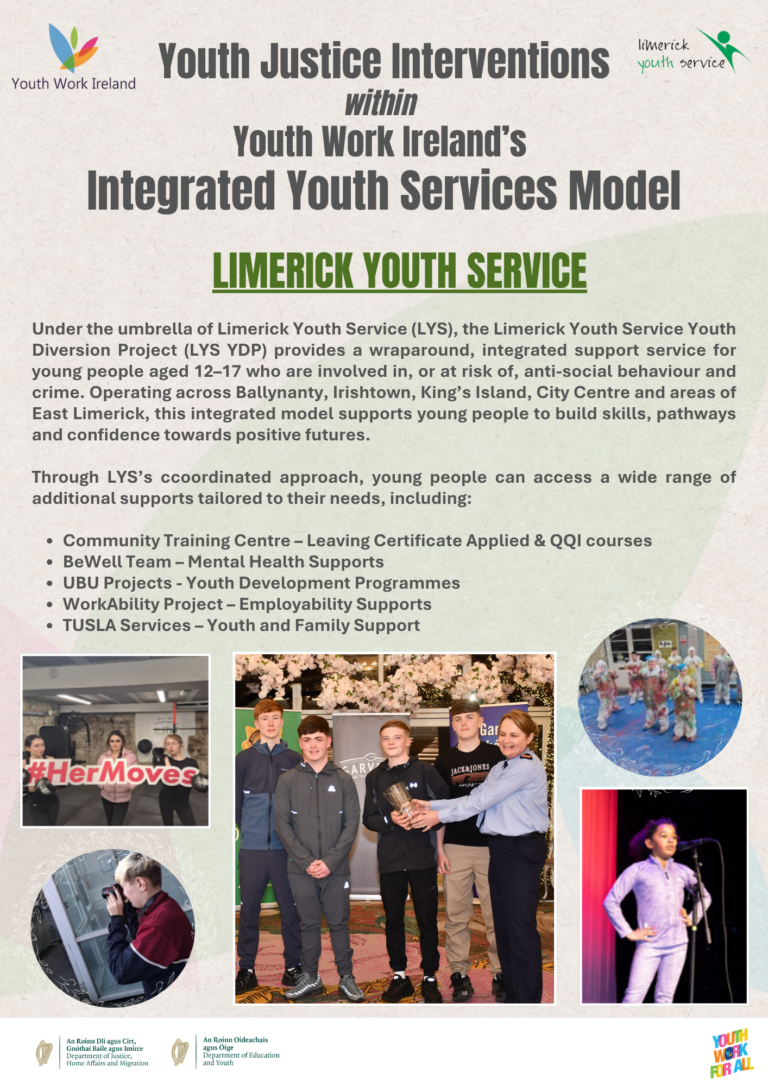
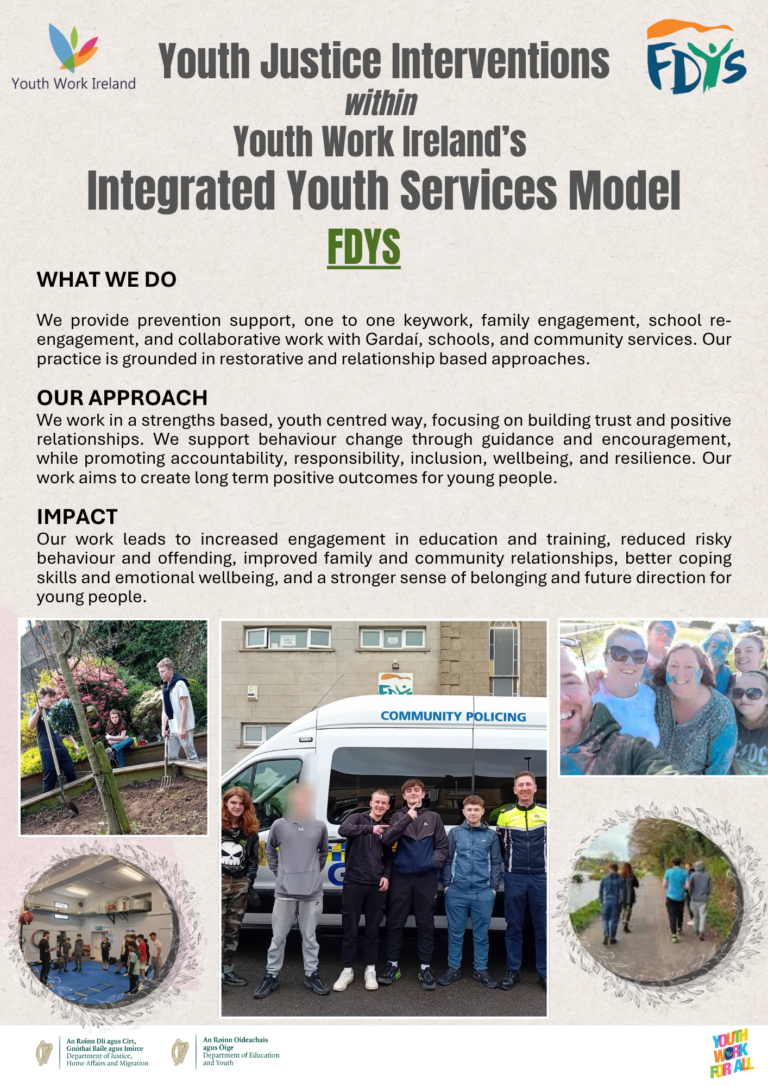
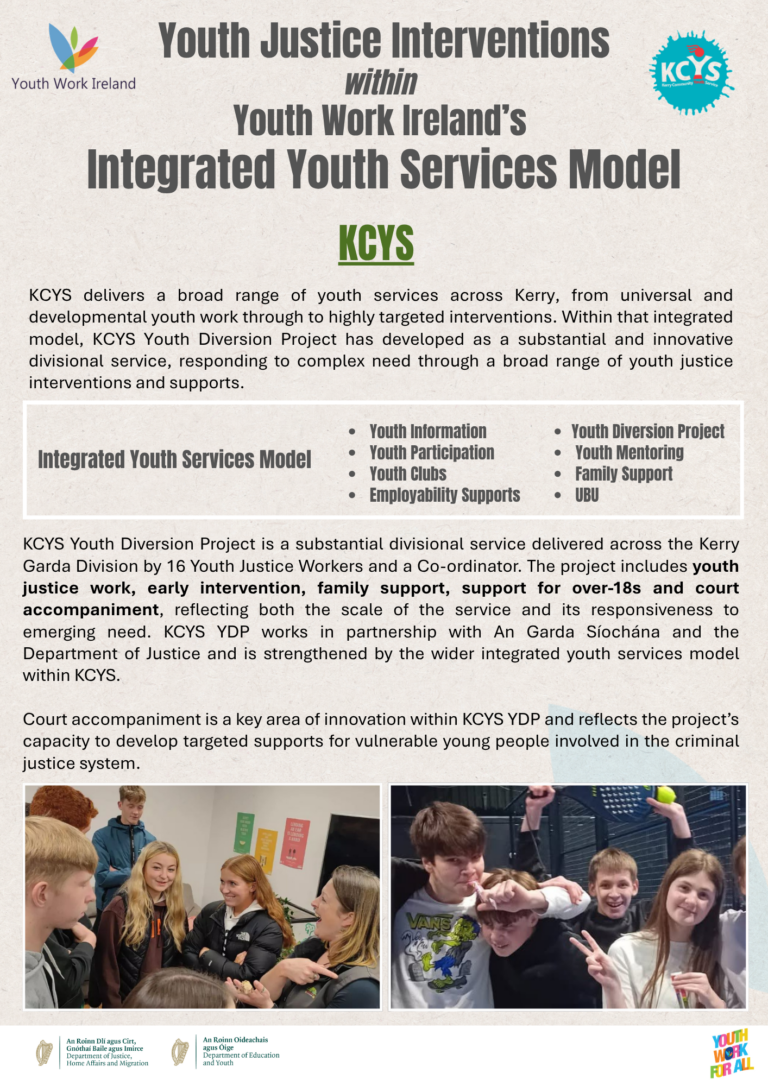
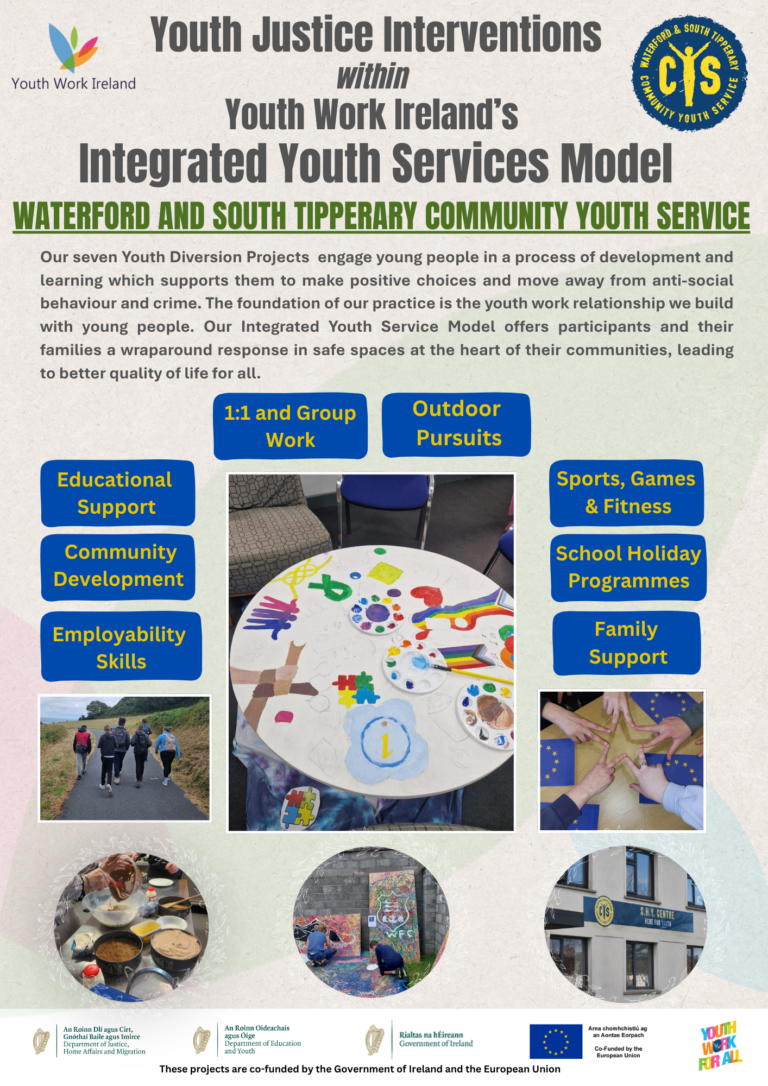
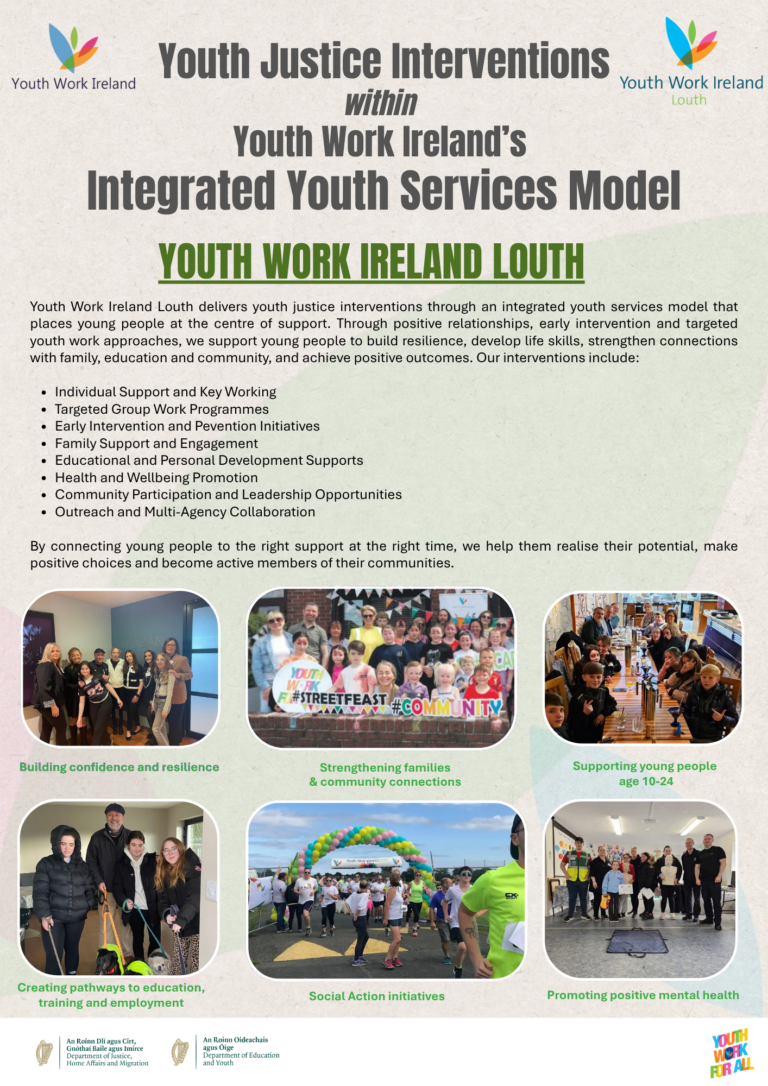
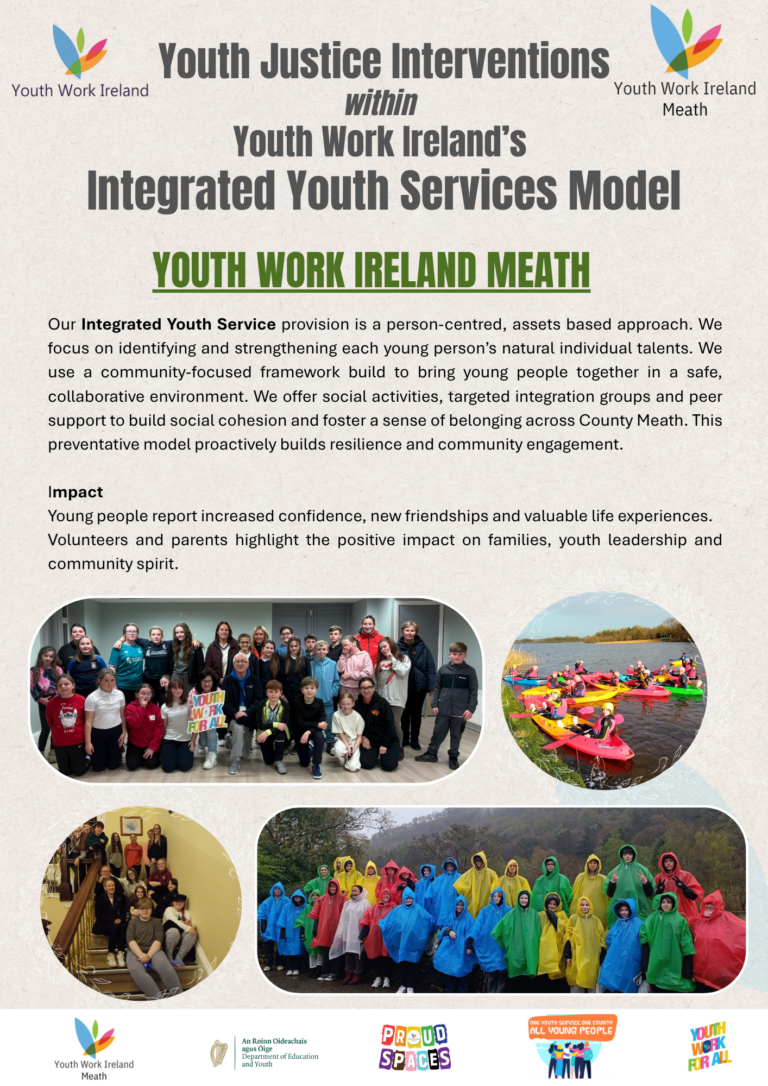
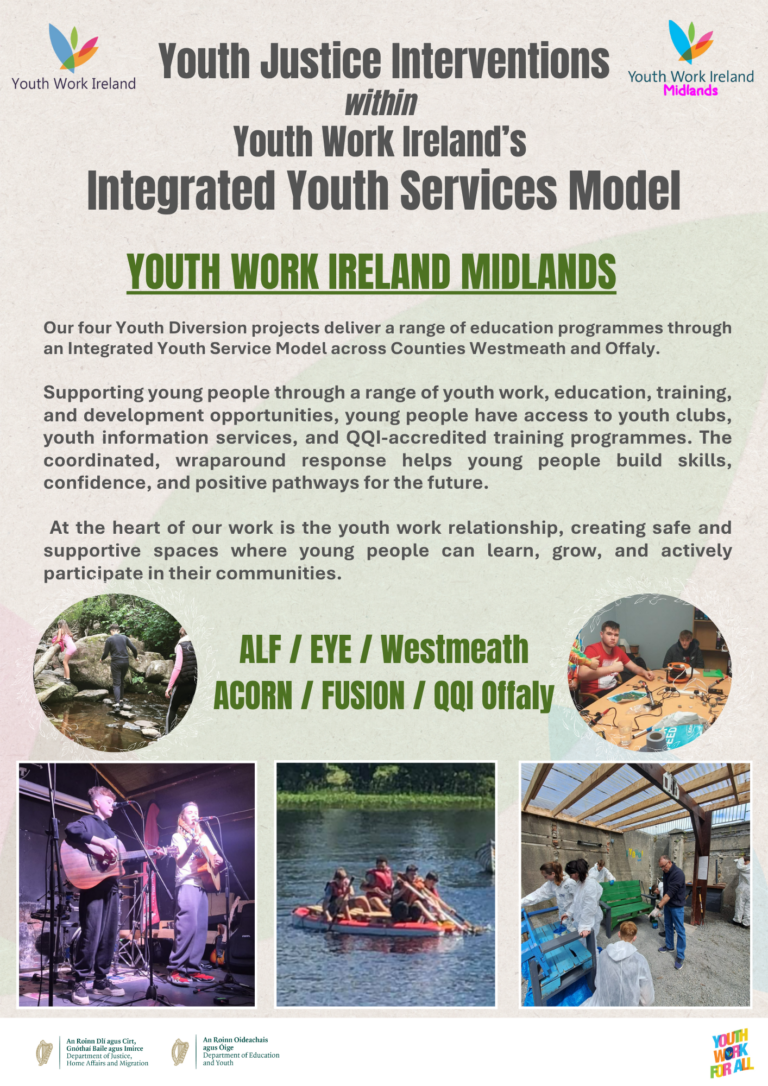
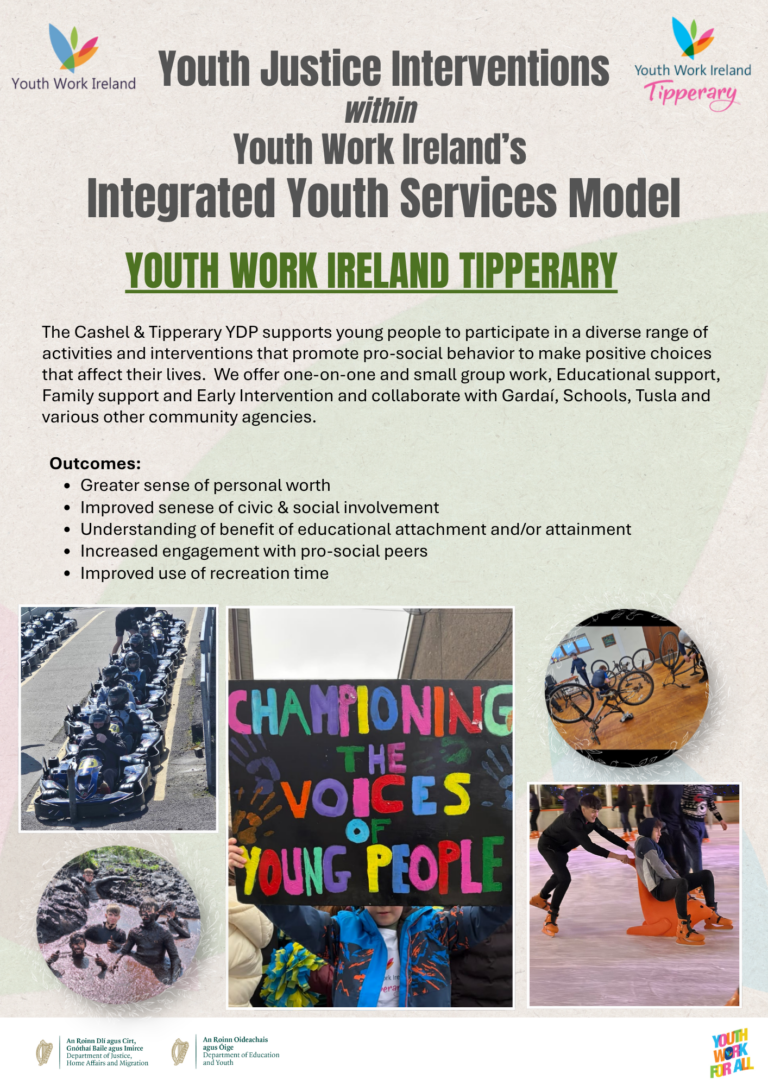
The afternoon programme focused on examples of youth justice practice within the Integrated Youth Services Model. Chaired by Deirdre Birmingham, Chair of the Youth Justice Subgroup of the Board of Trustees of Youth Work Ireland, the session showcased innovative projects from member youth services and demonstrated the value of delivering youth justice interventions as part of a wider network of youth work supports.
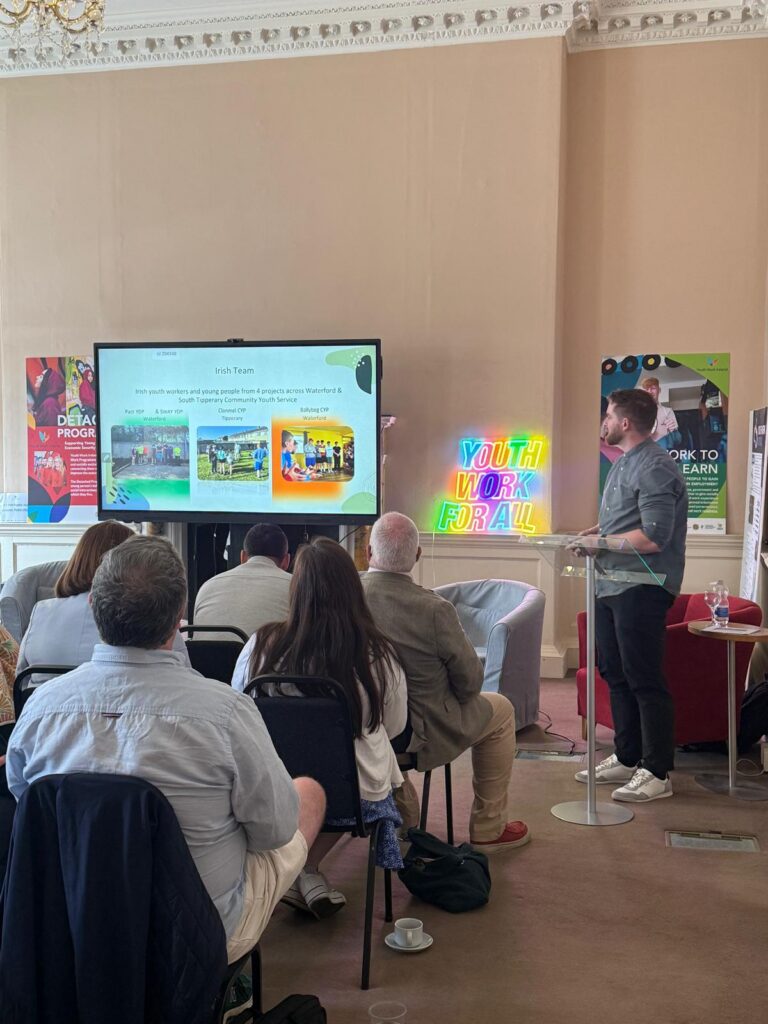
Representatives from Waterford and South Tipperary Community Youth Services, including Patricia McBride, Gavin O’Neill and Liam Hartigan, shared insights from the “Pathways to Nature” initiative. This nature-based youth work programme illustrated how integrated services can support young people’s mental health, wellbeing, confidence and sense of belonging through meaningful engagement with nature, international exchanges and community action. Their presentation demonstrated how youth justice projects can create positive developmental opportunities while fostering resilience, connection and participation.
Further presentations were delivered by Terry O’Neill, Hayley Rochford and Vickey Pullen from FDYS and the Slaney Youth Diversion Project. Through a series of case studies, they demonstrated how integrated youth services provide a “no wrong door” approach, ensuring that young people can access a range of supports including youth work, counselling, Traveller inclusion programmes, LGBTQ+ supports, education services and community-based initiatives. Their examples highlighted the benefits of relationship-based, trauma-informed and collaborative practice in supporting young people facing complex challenges.
The convention concluded with a policy discussion facilitated by Edel Fortune, Senior Youth Officer for Research and Development in Youth Justice, who invited participants to reflect on the key priorities that should inform the development of Ireland’s next Youth Justice Strategy. Discussions emphasised the importance of prevention, early intervention, integrated service delivery, youth participation and sustained investment in community-based supports.
Closing remarks were delivered by Dr. Patrick Burke, CEO of Youth Work Ireland, who reflected on the key themes emerging from the day and reaffirmed the organisation’s commitment to supporting young people through high-quality, integrated and evidence-informed youth work practice. The convention highlighted the strength of collaboration across the youth sector and reinforced the critical role that youth work plays in creating positive pathways for young people, families and communities across Ireland.